Old Burnside Is Still There— It's Just Under Lake Cumberland!
The Town Beneath the Water
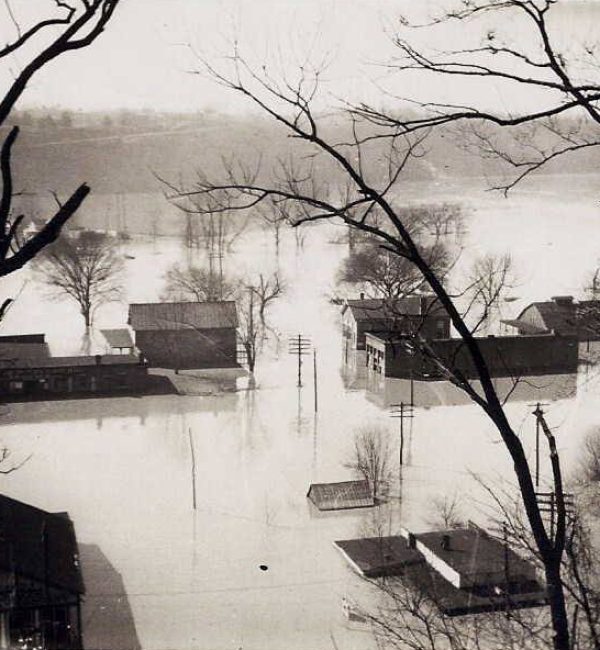
Beneath the waves of Lake Cumberland lies a hidden piece of Kentucky history: the original town of Burnside. Once a lively riverside community with bustling railroads, steamboat docks, homes, and businesses, Old Burnside was completely submerged when the Cumberland River was dammed in the mid-20th century.
The U.S. Army Corps of Engineers built Wolf Creek Dam to prevent flooding and generate hydroelectric power. Completed in 1950, the project created Lake Cumberland, one of the largest man-made lakes in the U.S.
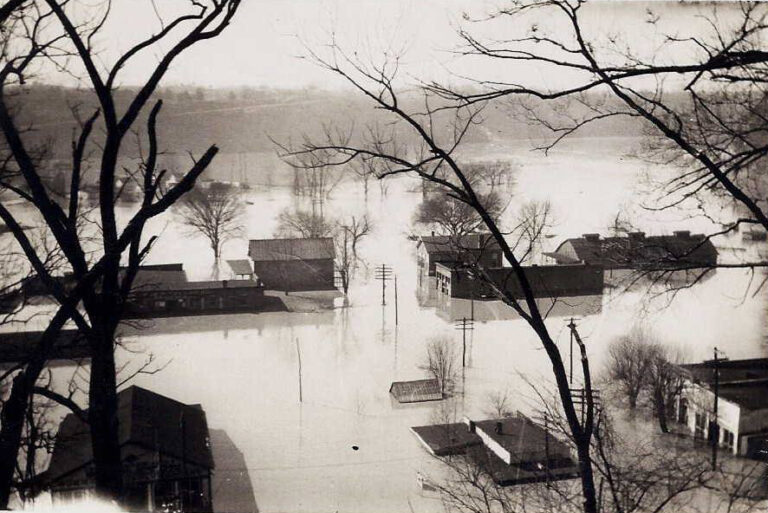
By the time the lake reached full pool in 1954, nearly all of Old Burnside was underwater—making it the only Kentucky town ever intentionally flooded to create a reservoir. Many residents relocated to what is now New Burnside, just up the hill.
Today, on exceptionally dry days when the lake is low, you can still see glimpses of the original town: concrete sidewalks, stone foundations, and even parts of the old railroad line. Divers, fishermen, and historians continue to explore what’s left beneath the surface—preserving the story of a town that now lives underwater.
The original town still exists beneath Lake Cumberland. At low lake levels, remnants like stone walls, sidewalks, and even rail beds can sometimes be seen near the shoreline.
The engineering marvel that changed the region forever. Located about 40 miles south of Burnside and still in operation today.
One of the few places that wasn’t relocated, offering a direct connection to the town’s early settlers.
Old Burnside vanishes under rising waters in the 1950s—its streets and stories now part of Lake Cumberland’s hidden history.
Launched around 1912, the Steamboat Rowena was one of the most iconic vessels on the Cumberland River. Alexander Massey, a Burnside native, revolutionized river cargo shipping with his barge system and founded the Massey Transportation Company.
The Rowena served as a key part of regional commerce until it tragically sank on June 20, 1934. Today, it remains a symbol of Burnside’s industrious river past.
The Seven Gables Motel
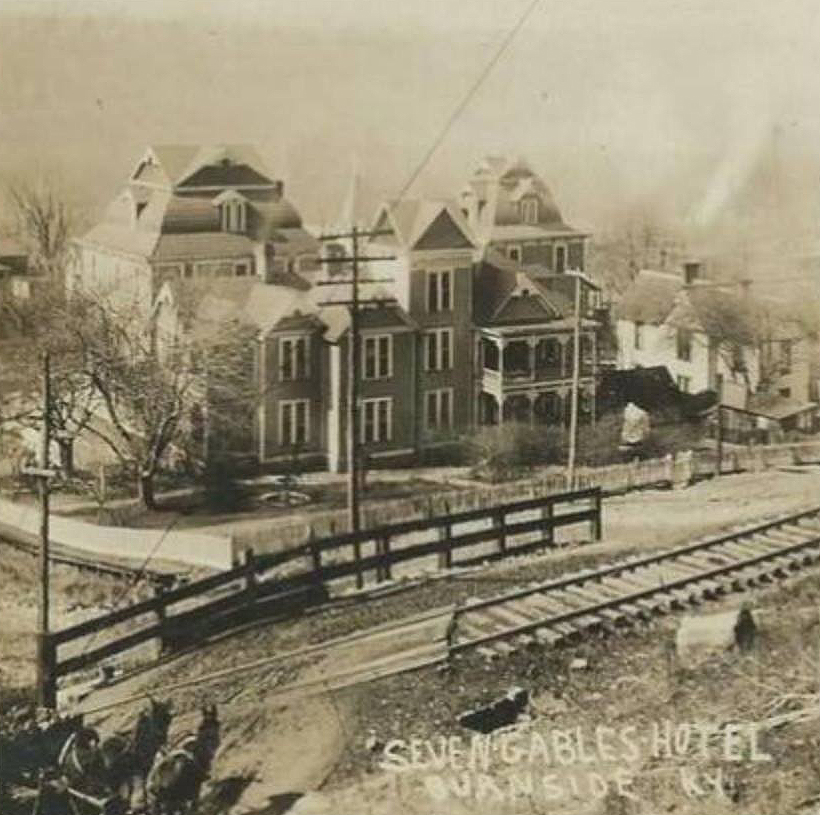
The original Seven Gables Motel, pictured here circa 1915, stood in what is now known as Old Burnside—long before the lake’s creation. Its close proximity to the steamboat landing and the Southern Railroad made it a popular stop for travelers across south central Kentucky.
Today, Seven Gables has been relocated to New Burnside and fully renovated. It stands as a charming nod to the past, offering guests modern comfort with a sense of history. Learn more at burnside7gablesmotel.com.
Birthplace of the Boy Scouts of America
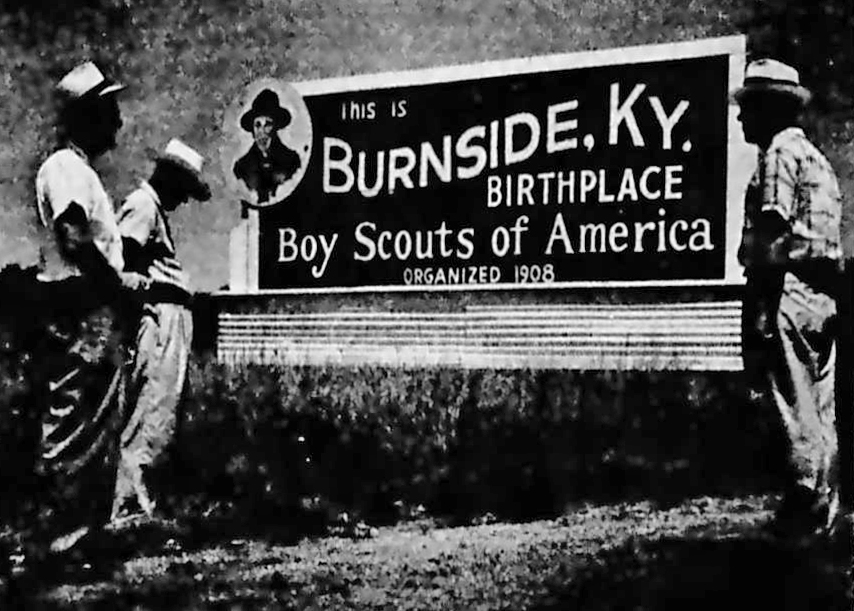
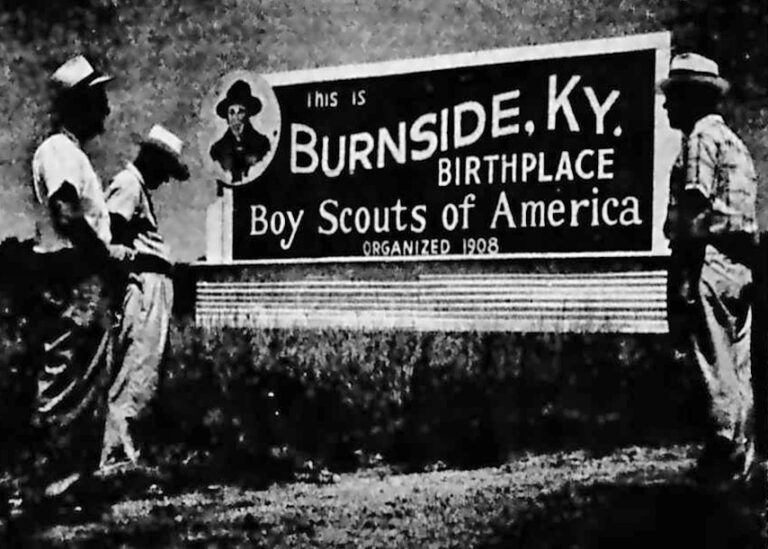
Burnside proudly claims a unique distinction in American history—the birthplace of the Boy Scouts of America. In 1909, British Army officer and Scouting founder Robert Baden-Powell visited Burnside. He was inspired by the outdoor skills and community values he witnessed in local youth.
When Baden-Powell returned to England, he used this experience to help shape the global Scouting movement. His 1910 manual, Scouting for Boys, laid the foundation for what became the Boy Scouts of America that same year.
Burnside continues to honor this legacy with events and historical markers, reminding visitors of its lasting contribution to youth development and outdoor leadership.
Southern Railway & Burnside’s Lost Town
Before the lake, Burnside was a bustling river and rail hub. Located at the junction of the Cumberland and South Fork railroads, the town thrived with lumber mills, hotels, stores, churches, and the Burnside Academy—the first Wesleyan preparatory school in Kentucky.
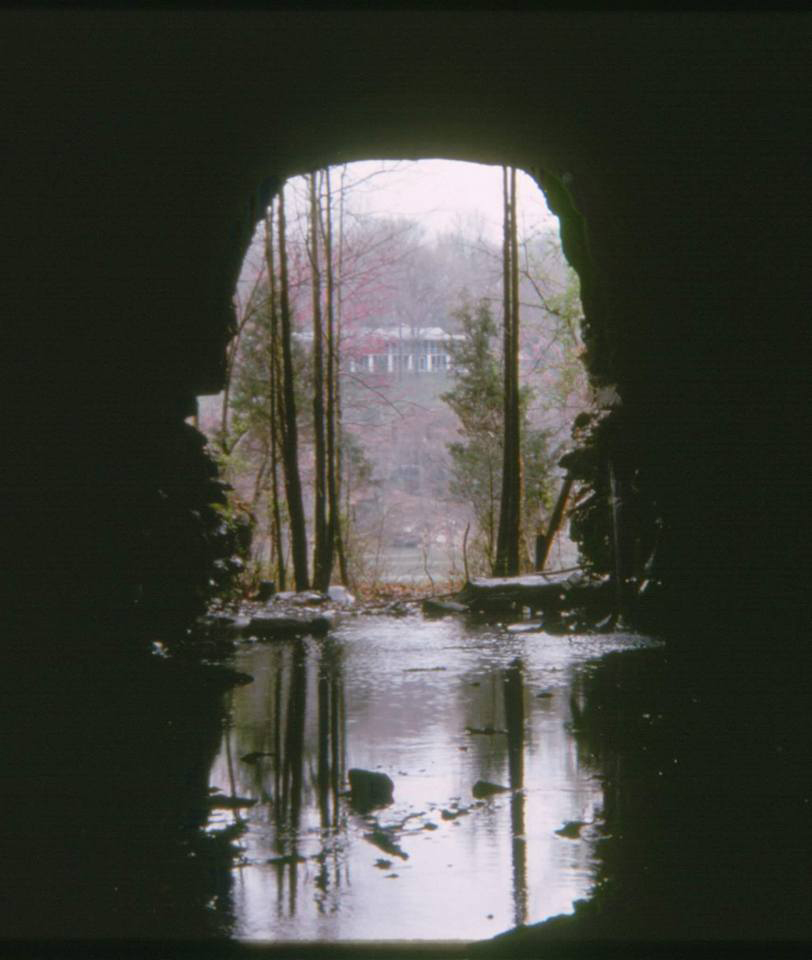
When Lake Cumberland was formed, much of Old Burnside—including the original railroad—was submerged. The Southern Railway rerouted tracks and constructed a new bridge over the river. When water levels drop, remnants of the original town, including old sidewalks and building foundations, can still be seen. Hikers may even spot old railway tunnels tucked into the wooded hills.
A Literary Legacy
Harriette Simpson Arnow
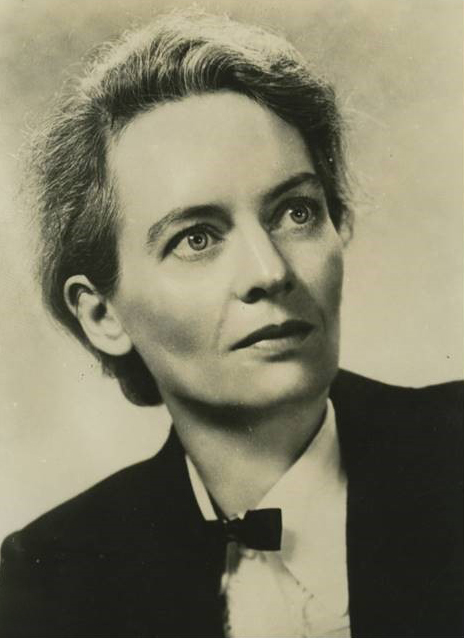
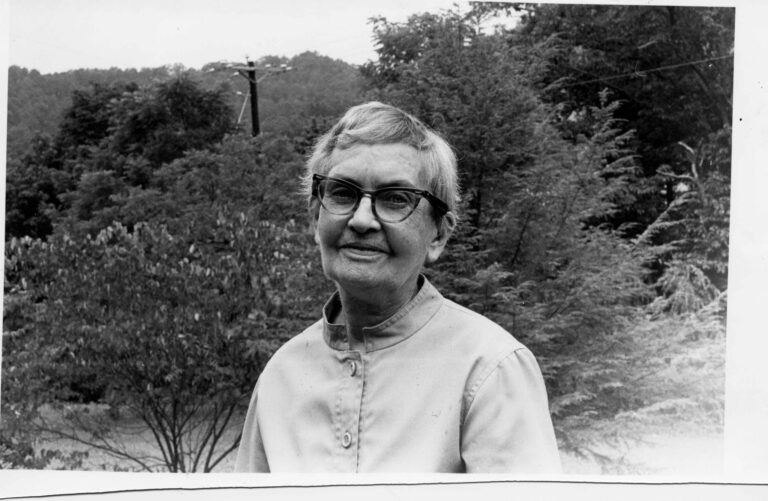
Harriette Simpson Arnow, acclaimed author of The Dollmaker, spent part of her life in Burnside, including a stint living on Tyree Hill in the 1930s. She was known not just for her literary achievements but also for her dedication to the craft of writing—even working jobs between writing periods to support her passion.
Born in Wayne County, she was educated in Burnside before attending Berea College and the University of Louisville. She taught in the Pulaski County School System before fully committing to her writing career. Today, she is recognized as one of Kentucky’s most important literary voices and a notable former Burnside resident.