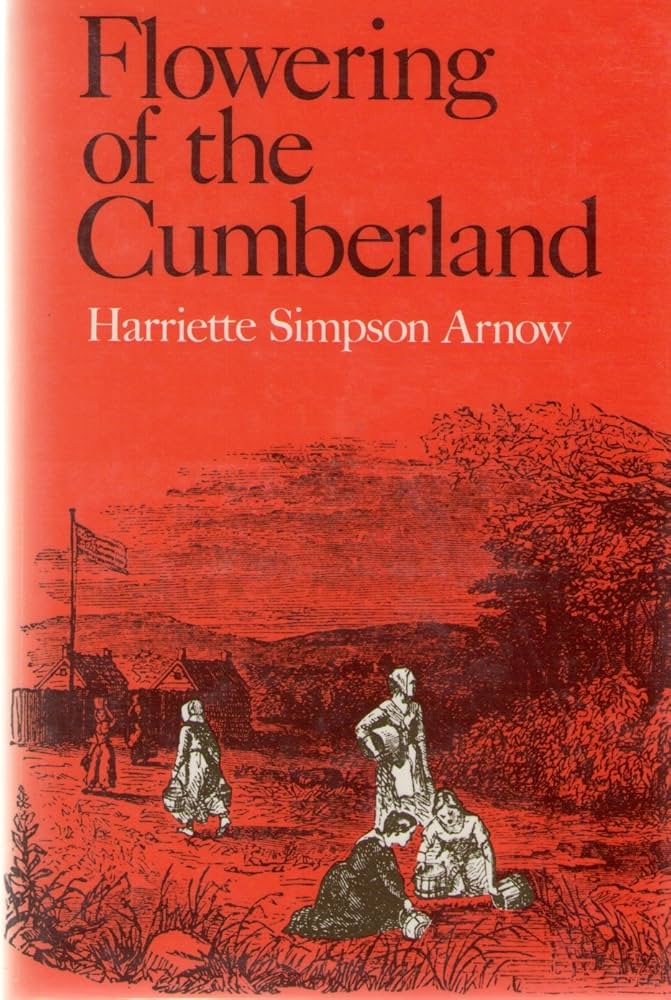
Some stories don’t start on paper.
They start in places like this.
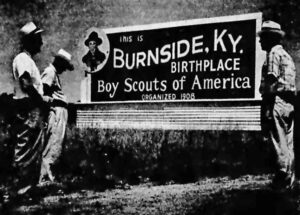
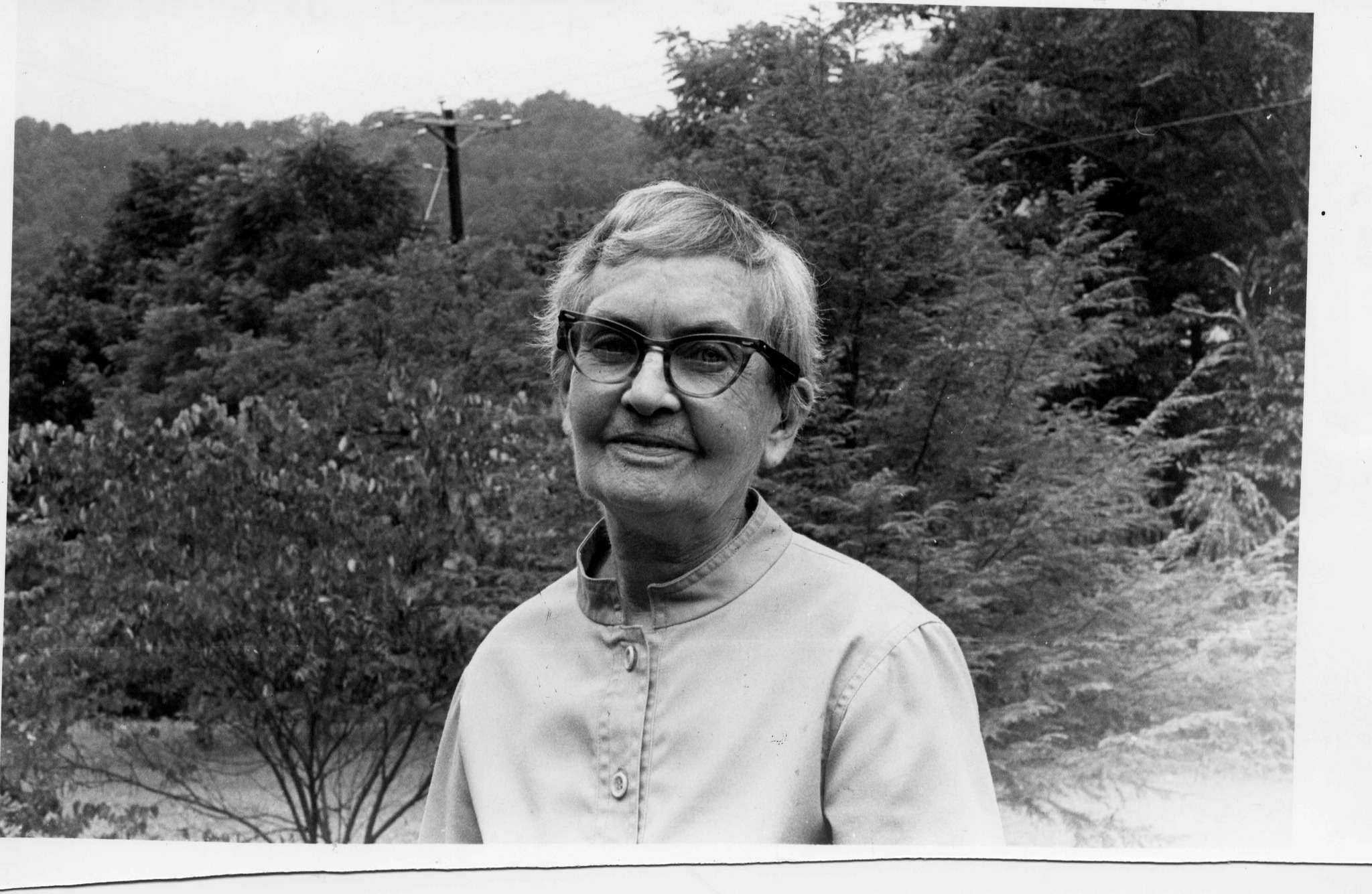
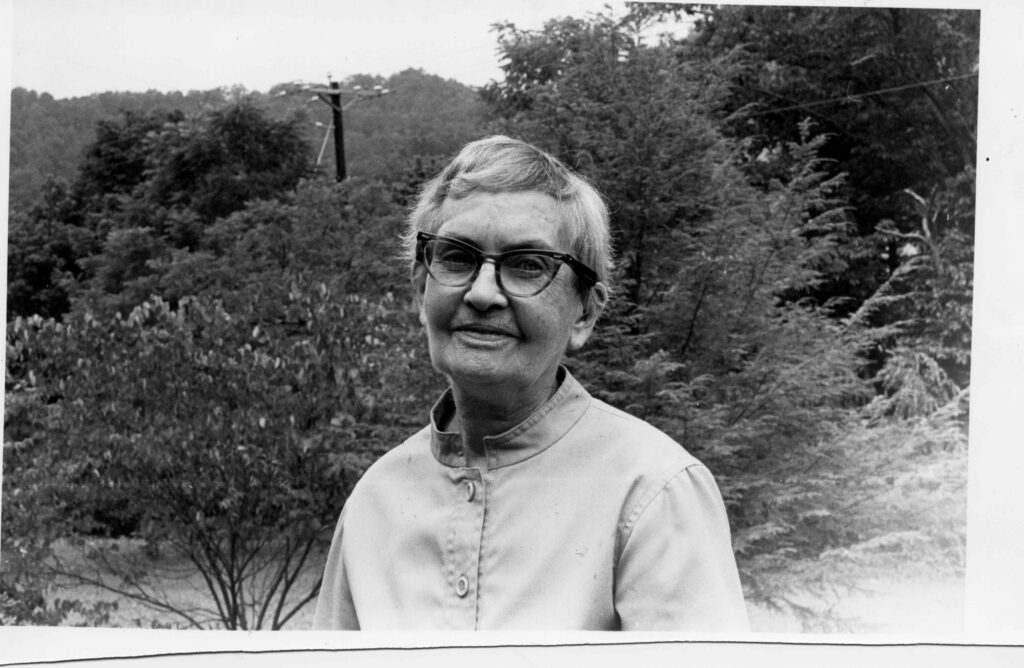
Long before her name was known across the country, Harriette Simpson Arnow was just a young woman living and learning in the hills of southern Kentucky. For a time in the 1930s, she called Burnside home, spending days on Tyree Hill where the land rolls gentle and the pace of life asks you to pay attention.
It’s the kind of place that stays with you.
Where Stories Take Root
Arnow was born over in Wayne County, not far from here, and educated in Burnside before heading on to Berea College and the University of Louisville. But like many folks from this part of Kentucky, she didn’t leave her roots behind when she went.
She carried them with her.
Before writing became her full-time work, she taught school in Pulaski County. And when writing didn’t pay the bills, she took on whatever work she could find. Still, she kept writing. Late hours, early mornings, whenever the words came.
That kind of determination wasn’t unusual here. It was just life.
Telling It True
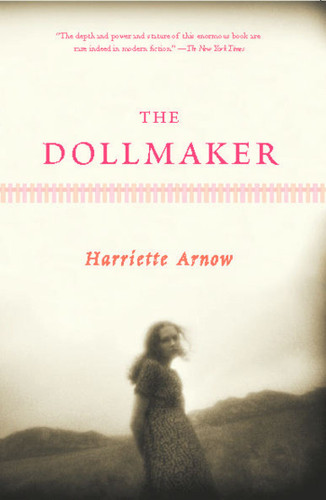
When Arnow wrote The Dollmaker, she wasn’t just telling a story. She was telling a truth.
Her work gave voice to people who often went unheard. Folks who worked hard, cared for their families, and held on to what mattered, even when life made it difficult. The hills, the homes, the struggles, the strength — it was all there, written plain and honest.
You can feel where she came from in every page.
A Quiet Legacy
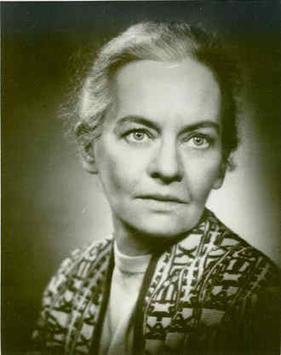
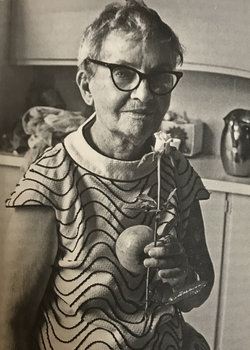
Today, Harriette Simpson Arnow is remembered as one of Kentucky’s most important literary voices. Her work traveled far, but it never lost sight of home.
And Burnside is still part of that story.
It’s not something you’ll always find on a sign or a plaque. It’s quieter than that. It lives in the understanding that places like this shape people, and people carry those places with them wherever they go.
Around here, we know that stories matter.
And sometimes, they begin in the quietest of places.