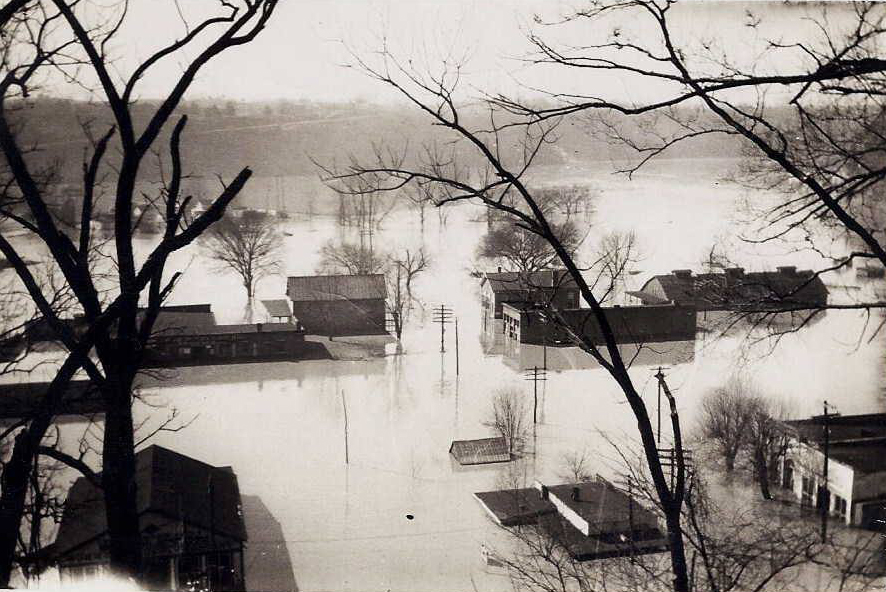
The Story Beneath Lake Cumberland
There are places that keep their history in museums. Burnside keeps hers beneath the water.
On a still morning along Lake Cumberland, when the mist lifts slowly off the surface and the shoreline sits quiet, it is easy to think all you are seeing is lake country — open water, wooded hills, and the peaceful stillness visitors come here to find. But look a little closer.
When the water drops low enough, Burnside begins to whisper.
A straight line beneath the shallows. A slab of old concrete. The faint edge of a forgotten foundation.
That is when many visitors realize something they never expected: this was once a town.
Not beside the lake. Not near the lake. Under it.
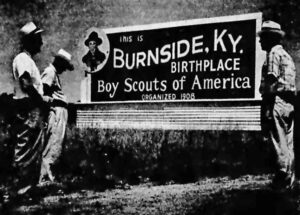
Burnside is known as the only town in Kentucky intentionally flooded to create a reservoir, making it one of the most fascinating stories anywhere around Lake Cumberland.
The Dam That Changed Everything
In the 1940s, everything began to change.
The U.S. Army Corps of Engineers moved forward with construction of Wolf Creek Dam, a massive project designed to control flooding, support navigation, and generate hydroelectric power for the region.
The benefits would be enormous, but every transformation comes with a cost.
To create what would become Lake Cumberland, the valley had to fill. That meant Old Burnside had to move.
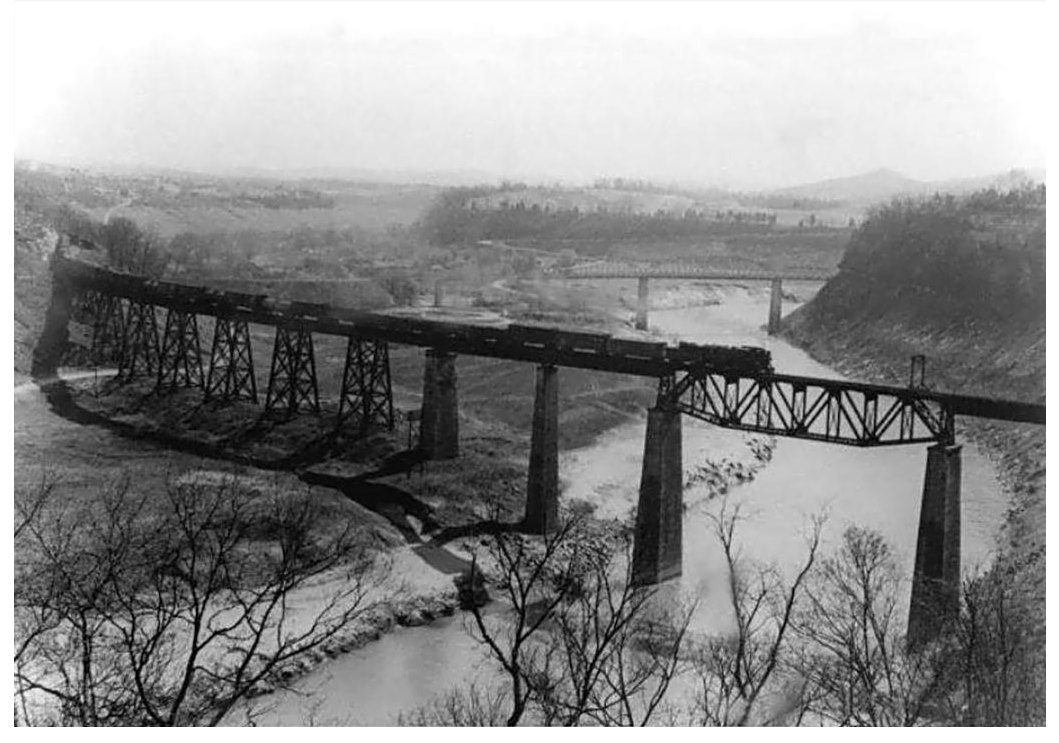
Families packed what they could carry. Some homes were relocated to higher ground. Others were left behind. Businesses closed their doors, rail lines were abandoned, and streets that had once carried daily life slowly disappeared beneath the rising water.
What we now know as present-day Burnside was built uphill, while the original town slipped below the surface.
Watch: The Flooding of Old Burnside
In this feature from KET’s Kentucky Life, hear firsthand accounts from former residents of Old Burnside — the town that once stood along the Cumberland River before the creation of Wolf Creek Dam in 1951.
Through personal stories and archival footage, the video reflects on what life was like before Lake Cumberland, and how a close-knit community adapted when the town was moved and the valley filled with water. It’s a powerful look back at the people, places, and memories that still shape Burnside today.
What Still Remains
The remarkable thing is that Old Burnside never completely disappeared.
When lake levels drop, parts of the past still return.
Visitors and locals sometimes spot remnants of old sidewalks, stone walls, and sections of the original railroad bed along the shoreline. Longtime residents still point across the water and remember where roads once ran, where homes once stood, and where the town used to gather.
That sense of memory is part of what makes Burnside so special.
Most visitors come for the lake — for boating, fishing, and summer days on the water. But beneath the beauty of Lake Cumberland rests a story of resilience and reinvention.
This is more than a lake town.
It is a town that rose above the water.
In Burnside, history does not always sit on the surface. Sometimes, it waits just below it.
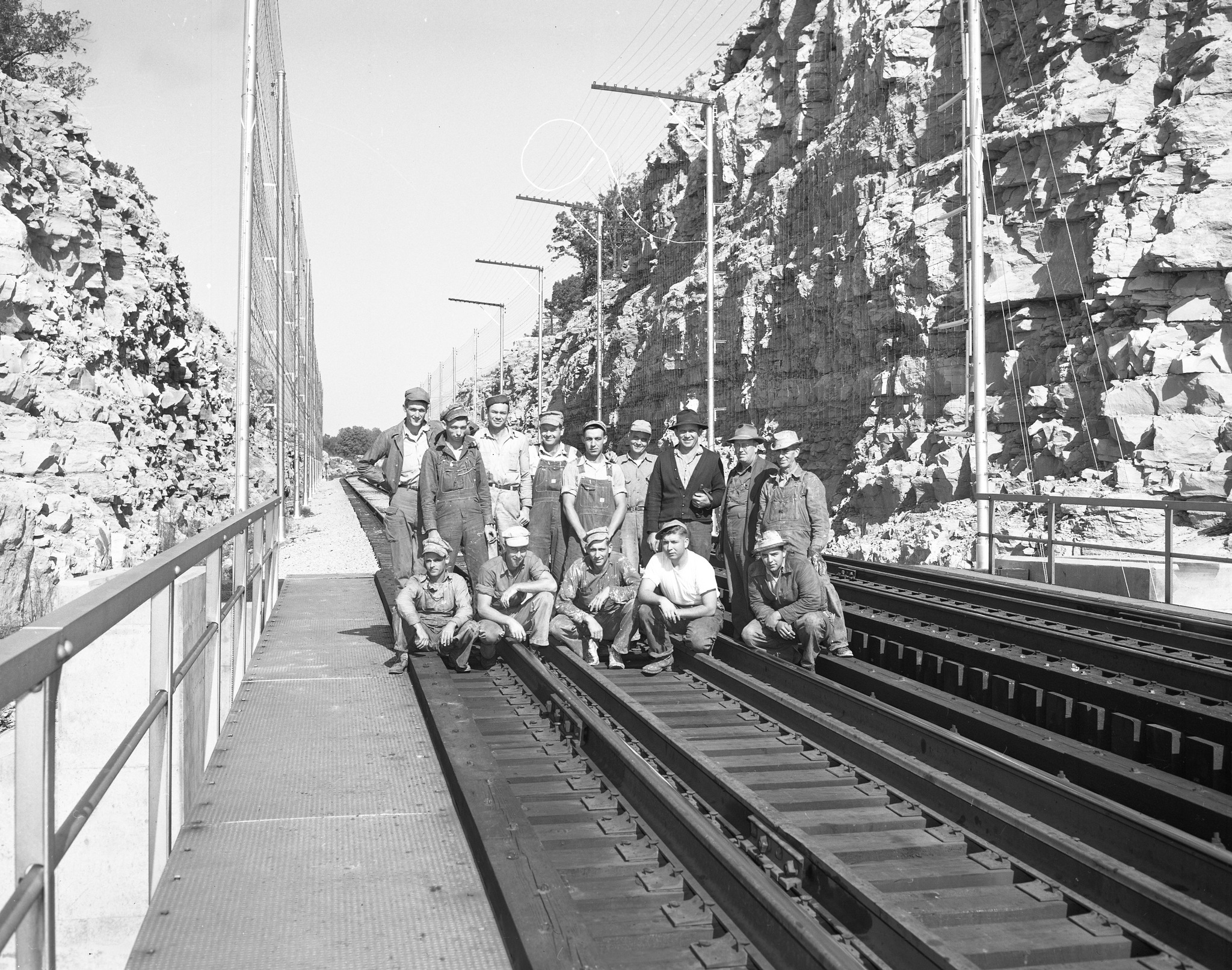
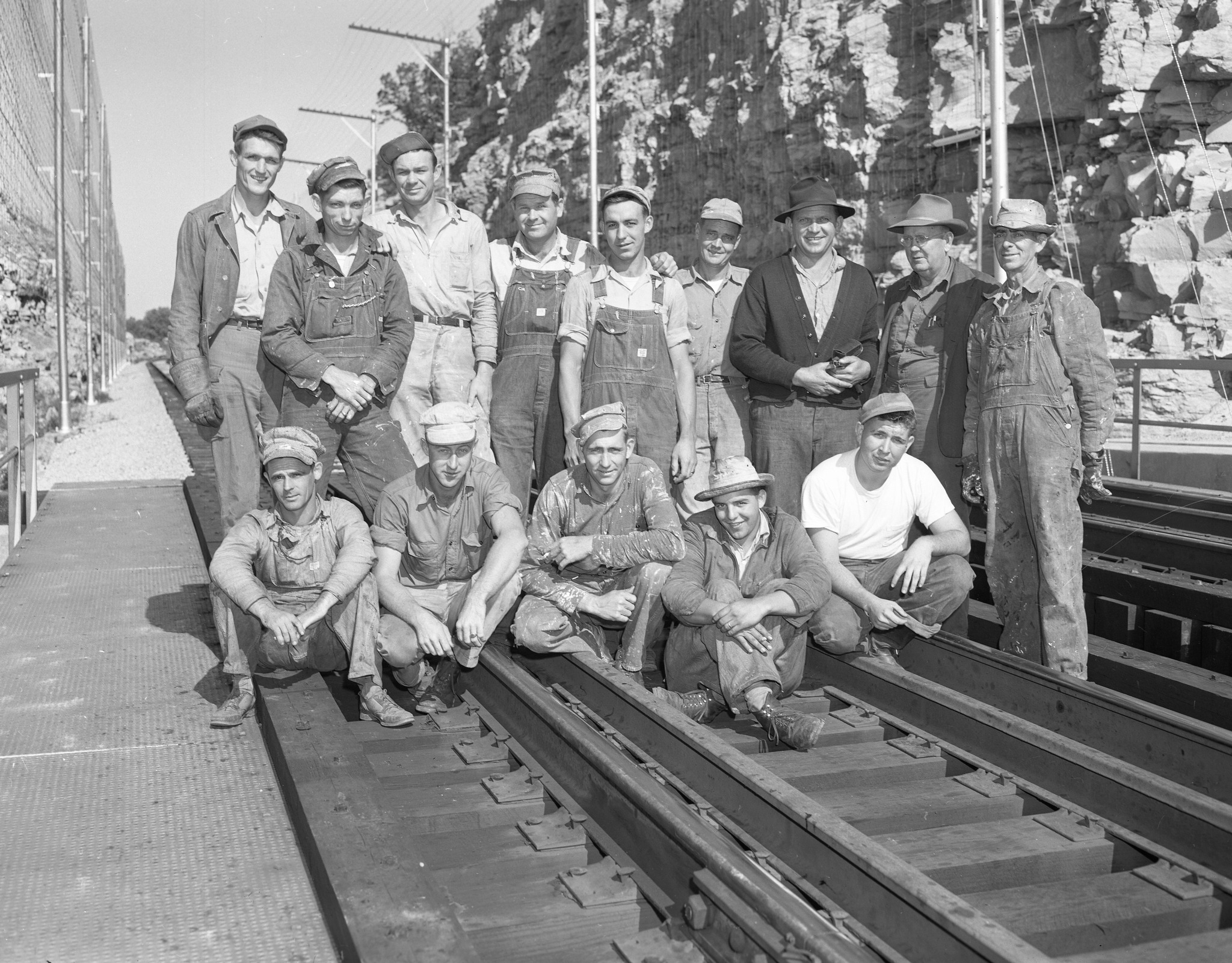
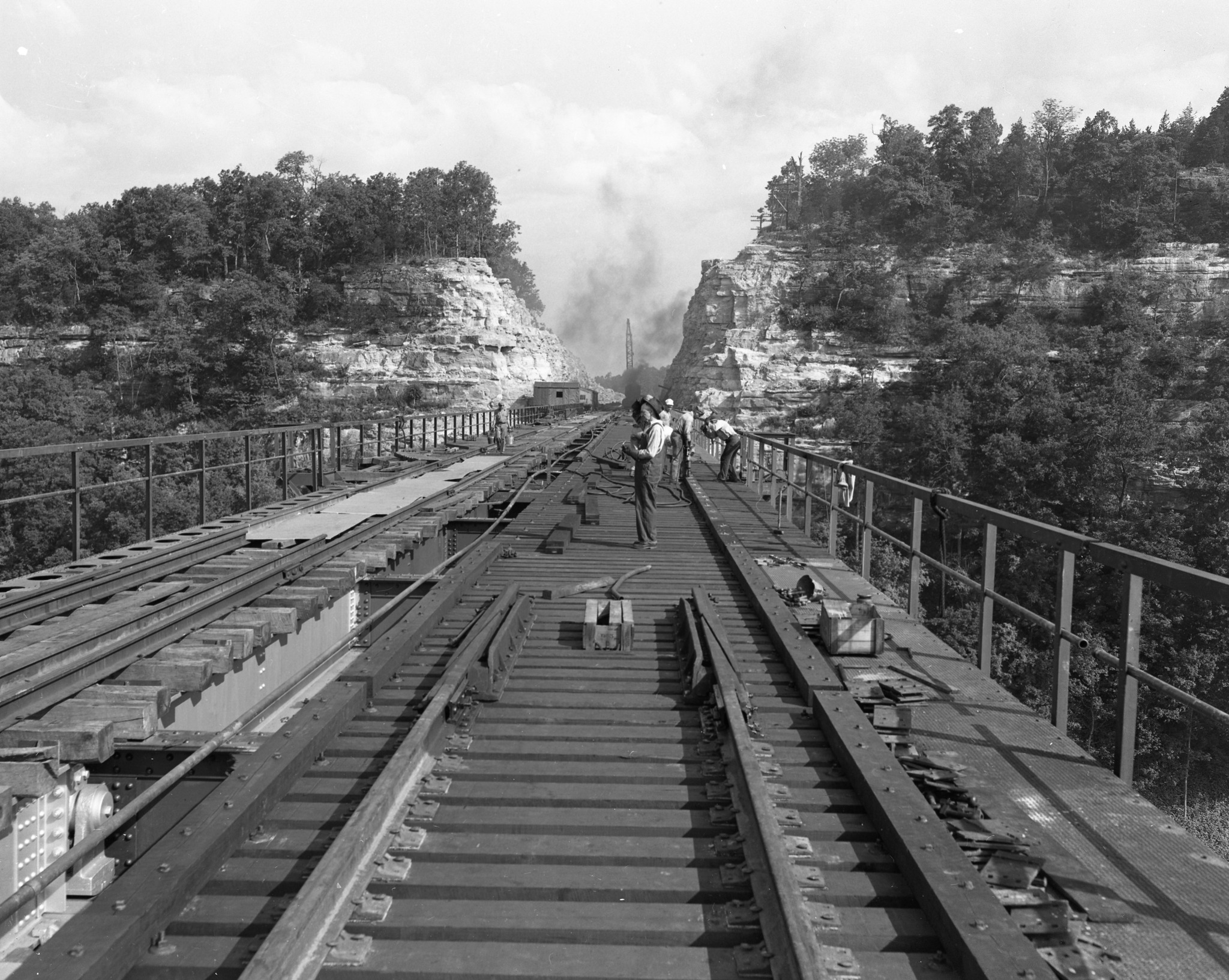
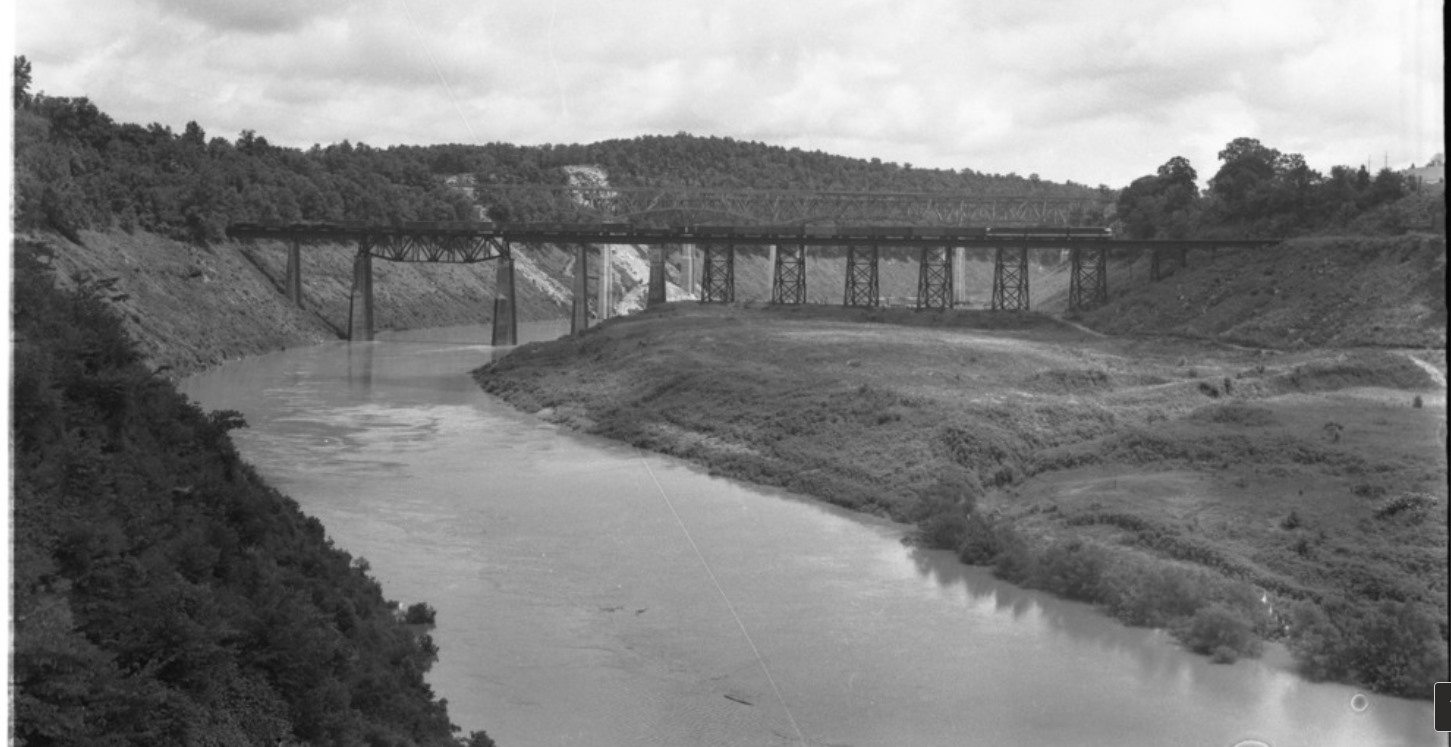
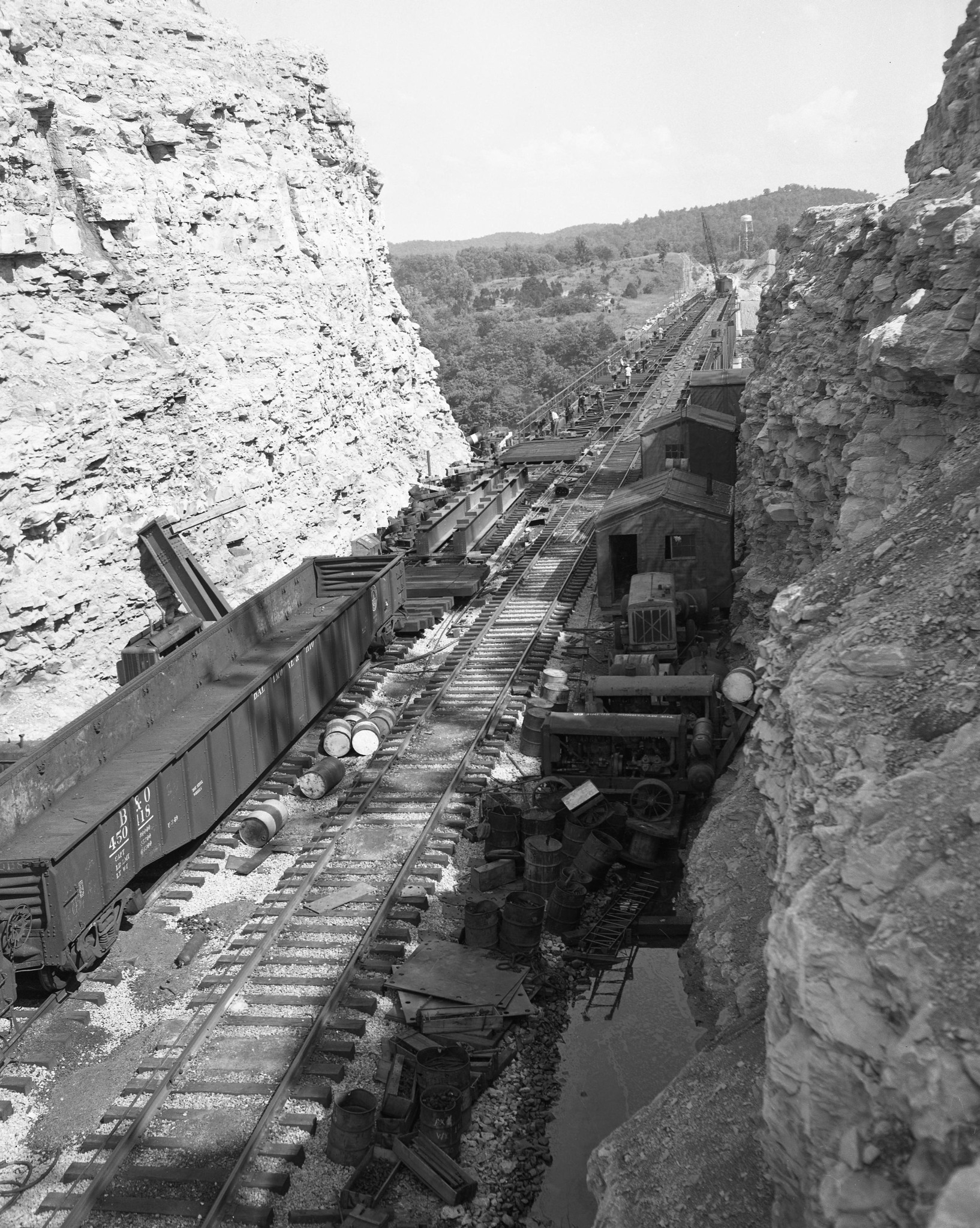
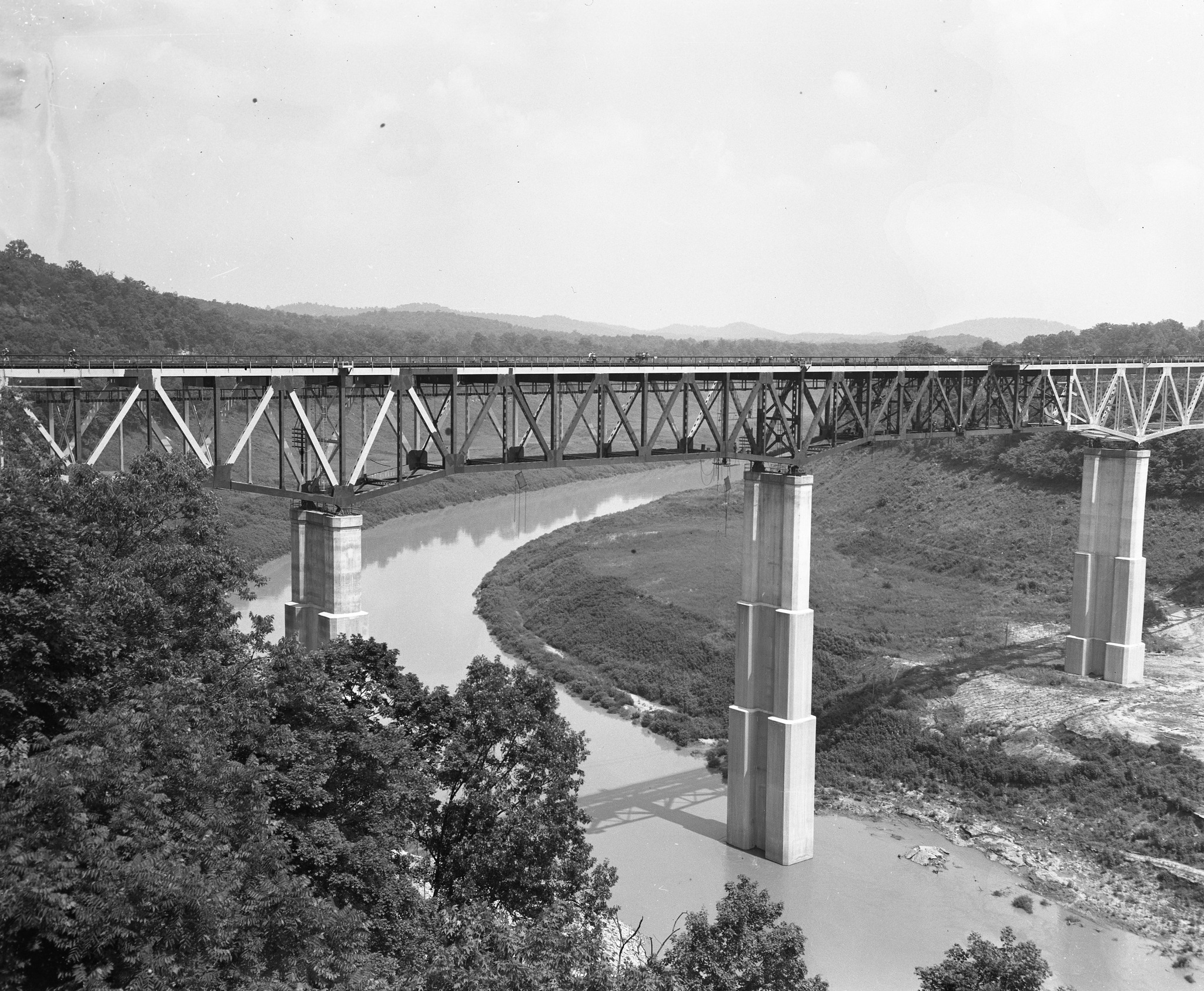
Burnside Bridge & Railway Construction, 1950s
Captured in the 1950s by the C. Tom Smith Photography Collection, these images document the construction of the Burnside bridge and Southern Railway — a time when steel, stone, and determination reshaped the landscape. These photographs preserve the work that helped connect Burnside to the region we know today.